
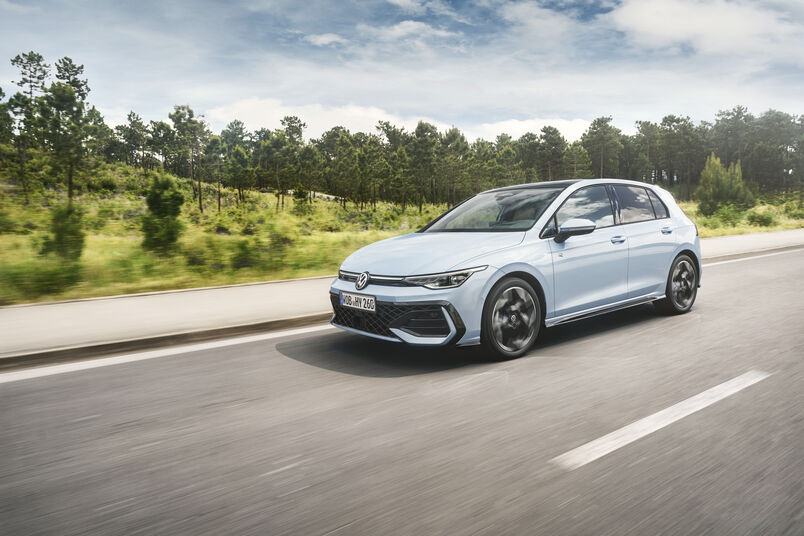
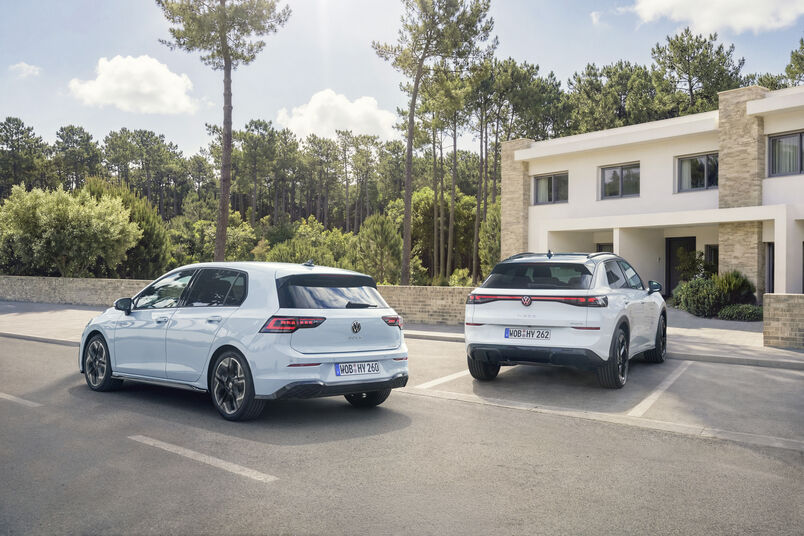
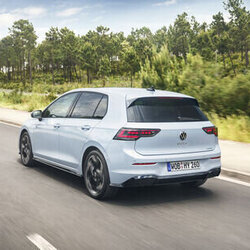
Volkswagen has started pre-sales in Germany of a new full hybrid drive for the Golf and T-Roc. The first version pairs a 1.5 TSI evo2 petrol engine with two electric motors for a system output of 125 kW (170 PS), and it can drive on electric power in everyday traffic without ever being plugged in. Prices start at 41,400 euros for the Golf Hybrid and 44,470 euros for the T-Roc Hybrid.
Volkswagen is adding a self-charging full hybrid to two of its highest-volume models. The Golf Hybrid and T-Roc Hybrid slot in between the existing mild-hybrid eTSI models and the plug-in eHybrid and GTE versions, and they are aimed at buyers who want lower fuel use and CO₂ emissions without changing how they drive.
No cable, no socket
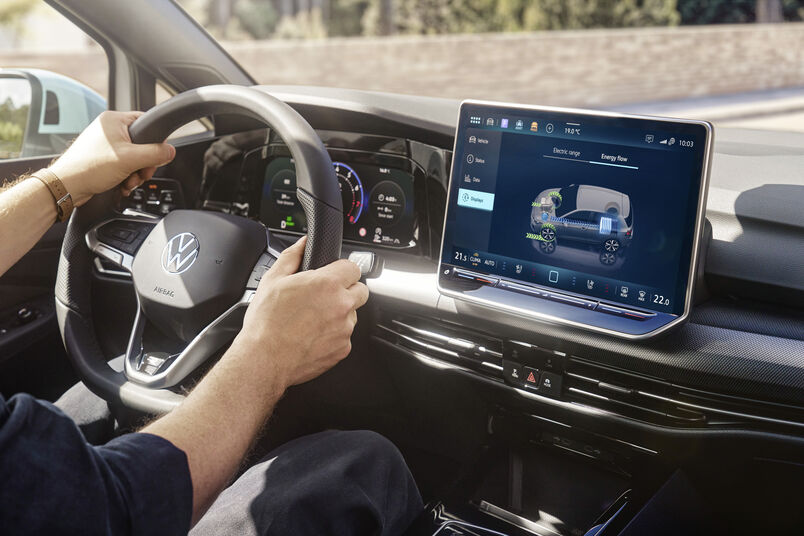
Unlike a plug-in hybrid, the new full hybrid never needs external charging. According to the manufacturer, the energy for the electric drive phases is recovered on board through recuperation and by using the turbocharged petrol engine together with a generator. A high-voltage battery with a gross capacity of 1.6 kWh — a size Volkswagen describes as customary for full hybrids — sits in the vehicle floor at the rear and stores that energy.
The system combines a 1.5 TSI evo2 turbo petrol engine with two electric motors and the battery, giving a system output of 125 kW and a system torque of 309 Nm. Volkswagen quotes a 0–100 km/h (0–62 mph) time of 7.5 seconds.
How the three modes work
The car switches automatically between three operating modes depending on how it is being driven:
- Electric drive – at low speeds the electric motor alone provides propulsion and the petrol engine is switched off.
- Serial drive – the petrol engine runs but is decoupled from the wheels, working with a generator to feed the electric motor and extend the electric range.
- Parallel drive – from around 60 km/h (37 mph) on country roads and motorways the petrol engine becomes the primary drive, with the electric motor adding a boost under acceleration.
Volkswagen says the system is at its best in urban traffic and on country roads, where the car can often run silently on electric power alone.
Efficiency gains
The company says the Golf Hybrid uses 5.1–4.6 l/100 km with combined CO₂ emissions of 117–104 g/km, while the T-Roc Hybrid is rated at 5.6–5.0 l/100 km and 127–115 g/km (WLTP, German-market figures). Compared with a comparable Golf 1.5 eTSI with 110 kW, Volkswagen puts the Golf Hybrid’s fuel and CO₂ saving at 10 to 15 per cent combined, rising to as much as 35 per cent in urban traffic.
Drivers can choose between Eco, Comfort and Sport profiles. In Eco, system output is capped at 70 per cent and the boost function is switched off to save energy; Comfort removes the limit and allows boosting; Sport shifts the drive to serial mode earlier so full power arrives quickly.
What it means
By offering a self-charging hybrid in the compact and small-SUV segments, Volkswagen closes a gap in its line-up between mild hybrids and plug-ins — an option that appeals to buyers who want electric-style running in town but have no easy way to charge at home. It also lines the Golf and T-Roc up against established full hybrids such as Toyota’s Corolla and C-HR. Volkswagen says a further, more powerful version of the technology will follow.
Facts: Volkswagen Golf Hybrid / T-Roc Hybrid
- Powertrain: 1.5 TSI evo2 petrol engine + two electric motors, 1.6 kWh (gross) battery
- System power: 125 kW (170 PS)
- System torque: 309 Nm
- 0–100 km/h: 7.5 seconds
- Golf Hybrid consumption: 5.1–4.6 l/100 km; CO₂ 117–104 g/km
- T-Roc Hybrid consumption: 5.6–5.0 l/100 km; CO₂ 127–115 g/km
- Price from: Golf Hybrid R-Line 41,400 euros; T-Roc Hybrid Style 44,470 euros
- Availability: Pre-sales open in Germany
Pre-sales are now open in Germany, with all specification details and prices relating to the German market.
Source: www.volkswagen-newsroom.com