
Mercedes-AMG Motorsport goes into the second half of the 2026 GT season at or near the top of most of the championships its customer teams contest, from the DTM and the Intercontinental GT Challenge to GT World Challenge on three continents. The first half also brought overall victory at the Nürburgring 24 Hours and class or outright wins at Daytona, Bathurst and Fuji. Customer racing boss Stefan Wendl says the ageing Mercedes-AMG GT3 remains fully competitive, and that the autumn will be decided by clashing calendars as much as by pace.
Mercedes-AMG Motorsport has published a mid-season review of its customer racing programme, and on the manufacturer’s own account it is one of the strongest halves the Affalterbach operation has had since the programme started in 2010. Across the PRO classes of the major GT series, its customer teams and drivers are either leading or within striking distance of the title.
Leading on both sides of the Atlantic
In the Intercontinental GT Challenge, Maro Engel (GER) heads the drivers’ standings after three of five events, ahead of fellow Mercedes-AMG drivers Luca Stolz (GER) and Maxime Martin (BEL).
In GT World Challenge Europe, Engel shares the overall lead with Lucas Auer (AUT), while Winward Racing tops the teams’ table. The trio of Auer, Engel and Stolz is on course for the Endurance Cup title; in the Sprint Cup, Daniel Juncadella (ESP) sits third after three of five race weekends.
GT World Challenge America is a clean sweep so far: Michai Stephens (USA) and Mikaël Grenier (CAN) lead the drivers’ championship, JMF Motorsports the teams’ and Mercedes-AMG the manufacturers’. In GT World Challenge Australia, Tigani Motorsport leads the teams’ standings. Taken together, those results put Mercedes-AMG at the head of the overall SRO manufacturers’ classification.
DTM, IMSA and the smaller series
In the DTM, Mercedes-AMG holds every top position — Engel among the drivers, Mercedes-AMG Team Winward Racing among the teams and Mercedes-AMG among the manufacturers.
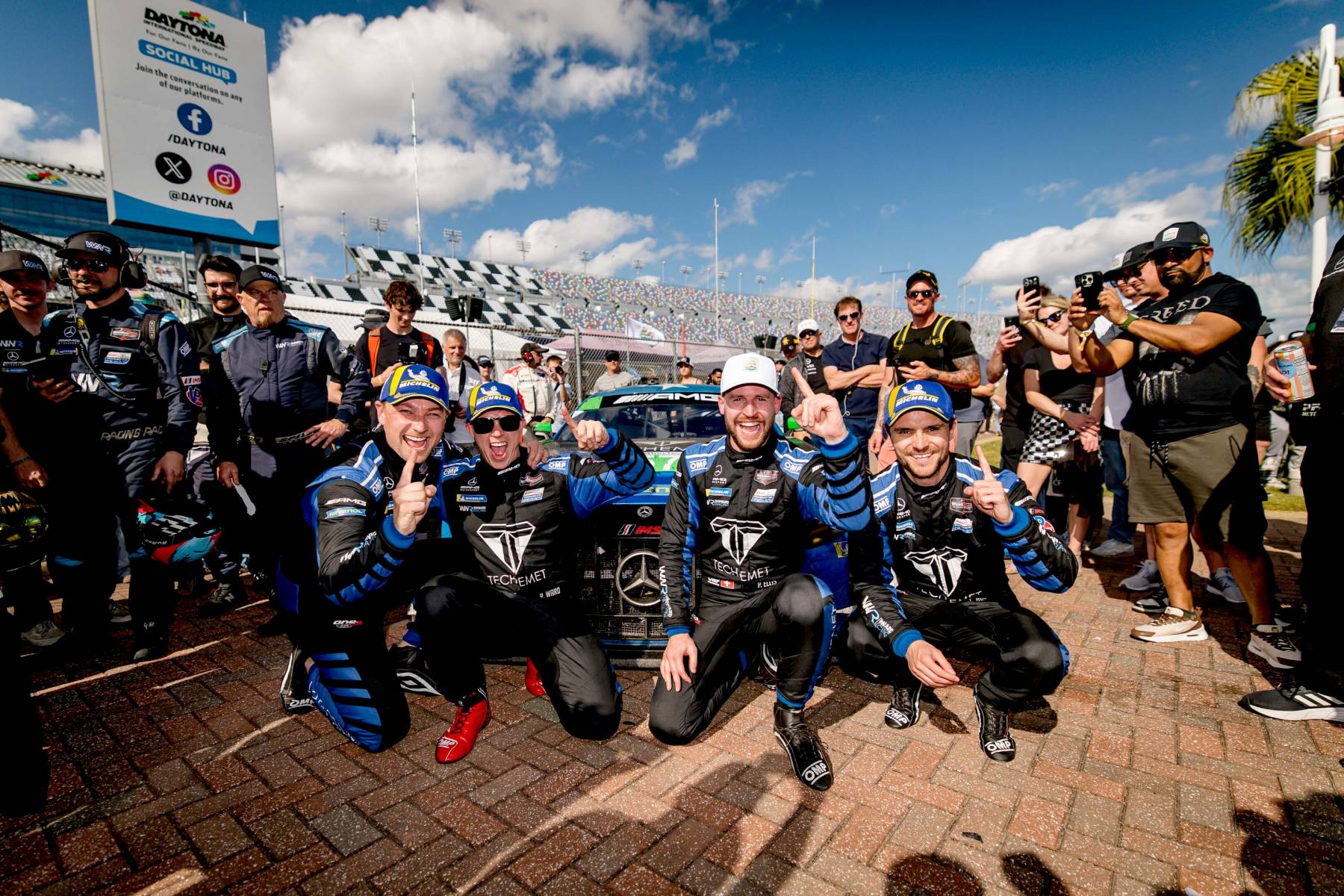
In the IMSA WeatherTech SportsCar Championship, with three races still to run, Philip Ellis (SUI) and Russell Ward (USA) are second in GTD, as is their Winward Racing team.
The picture is similar further down the ladder. GetSpeed Team JR286 leads the teams’ standings in the 24H Series European Series, with Patrick Liddy (USA) ahead among the drivers. Motopark tops the teams’ table in the International GT Open, where Maximilian Götz (GER) and Christian Mansell (AUS) lie second. In the GT2 European Series, Jay Mo Härtling (GER) and David Thilenius (USA) lead the drivers’ championship and SR Motorsport by Schnitzelalm the teams’, with NM Racing third.
A first half built on long-distance wins
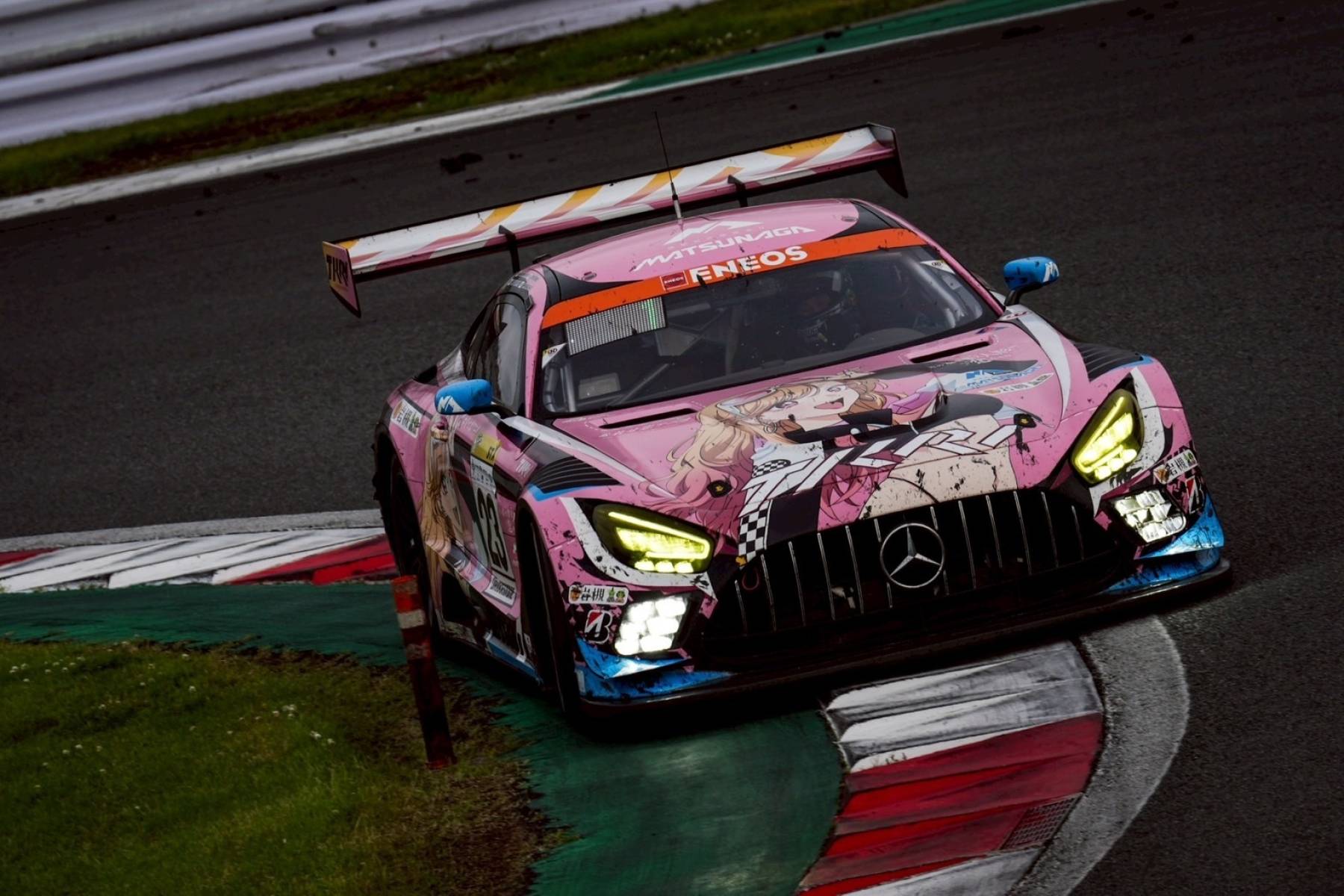
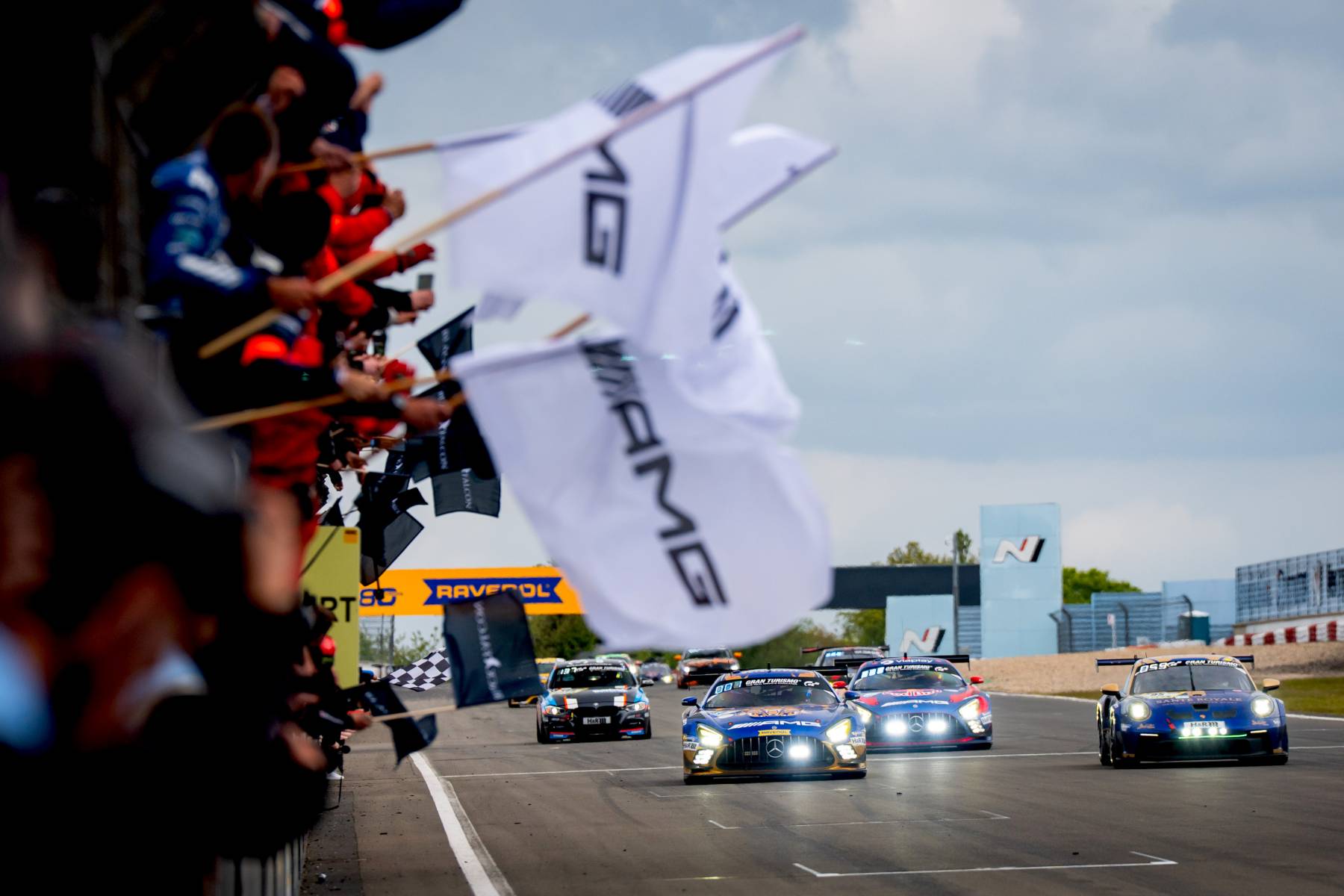
The headline result was May’s outright victory for Mercedes-AMG Team RAVENOL at the ADAC RAVENOL 24h Nürburgring — the brand’s first overall win there in ten years. It followed Winward Racing’s GTD class win at the Rolex 24 At Daytona in January and the Mercedes-AMG Team GMR victory at the Bathurst 12 Hour in February. In June, Team TKRI won the Fuji Speedway 24-hour race, the highlight of Japan’s Super Taikyu Series, for the second year in succession.
Two programme milestones also fell in July. The 1,000th overall win came on 10 July, when Vincent Iogna (FRA) of Team KRT won an Ultimate GT Sprint Cup race at Mugello. The 1,000th pole position followed on 26 July, taken by Marchy Lee and Rio of UNO Racing Team for the second China GT Championship race at the Zhuhai International Circuit.
Wendl on a ten-year-old race car
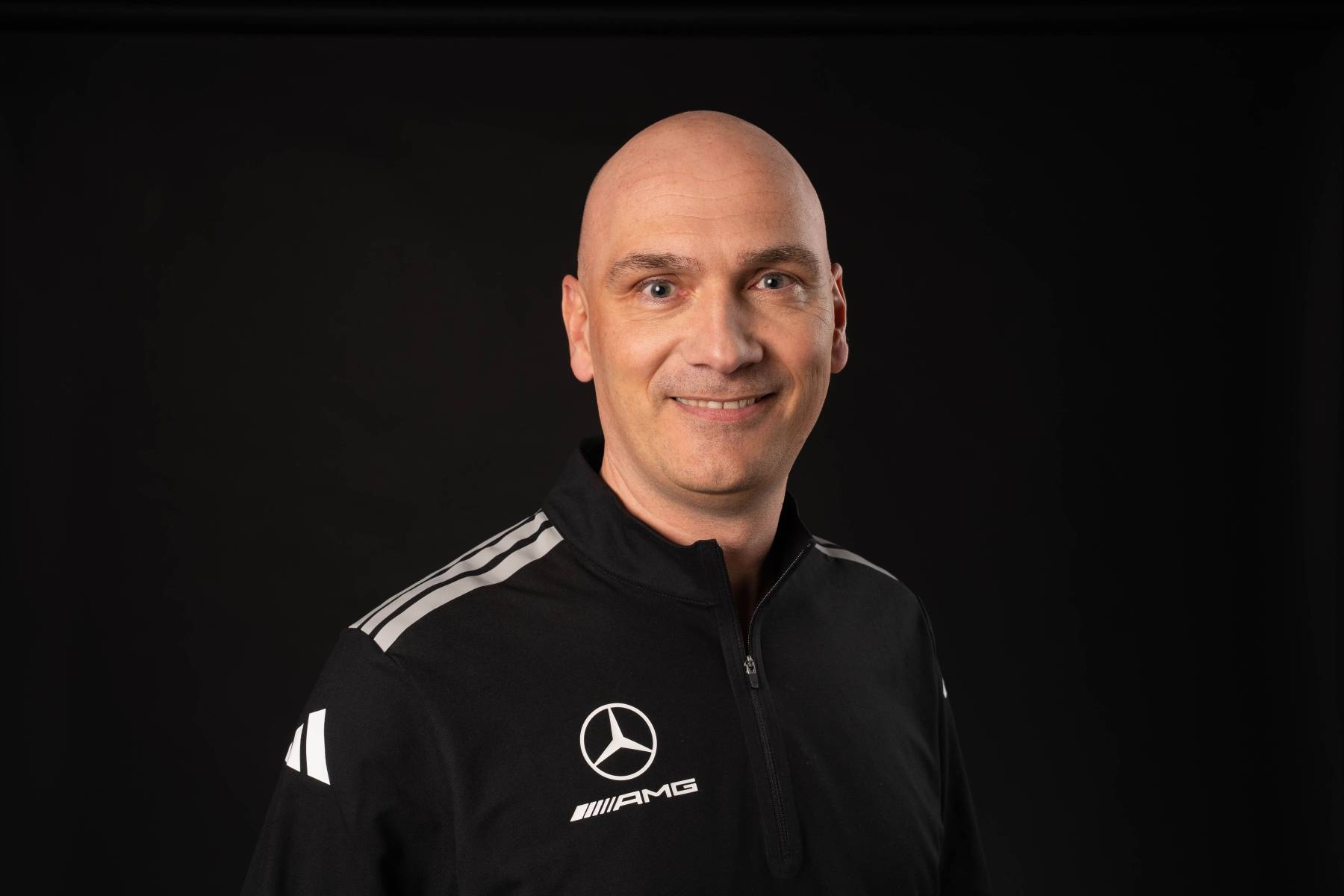
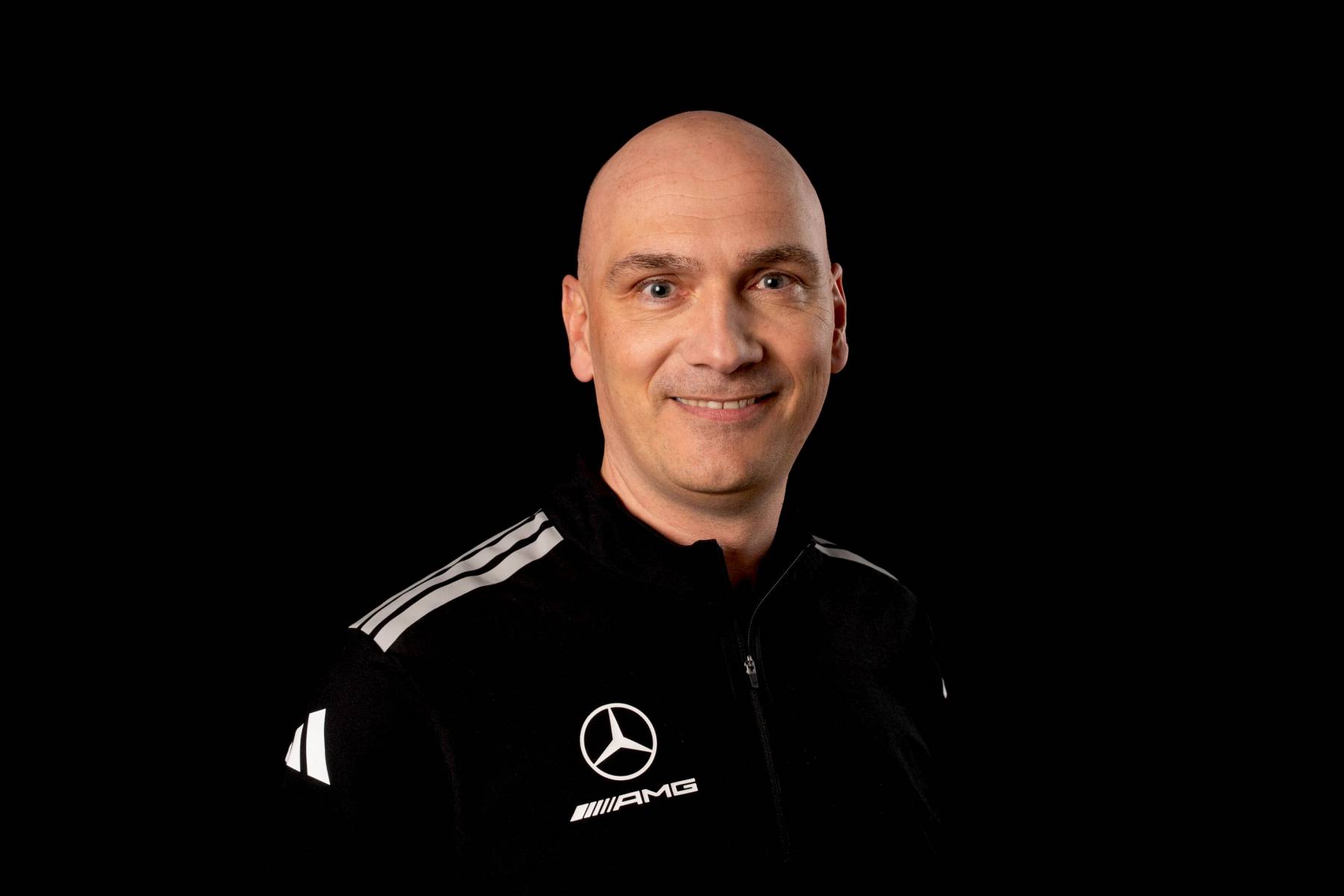
Stefan Wendl, head of customer racing at Mercedes-AMG Motorsport, points to the age of the equipment as the more remarkable part of the record. The Mercedes-AMG GT3 was launched in 2016 and updated in 2020, and is still winning against newer machinery.
“I’m incredibly proud — of the entire Mercedes-AMG Motorsport customer racing programme. We can say with conviction that it is among the most successful in the world,” Wendl says. “What pleases me particularly is that the Mercedes-AMG GT3, which made its debut in 2016 and received an update in 2020, is still absolutely competitive today.”
Asked which result mattered most, Wendl says it is the sum of them, though he singles out the Nürburgring: the company had waited a decade for that win. He also names Max Verstappen’s race outing in a Mercedes-AMG GT3 and the switch of Verstappen’s team to Mercedes-AMG as moments that drew wider attention to GT racing.
What decides the autumn
The second half of the year brings a denser calendar and, in places, direct conflicts. Wendl notes that the DTM and the Intercontinental GT Challenge — both currently led by Mercedes-AMG — have overlapping dates, which means the brand’s DTM drivers are unavailable for the IGTC rounds. Deployment planning, he says, will matter as much as outright speed if the company is to stay in contention across as many championships and classes as possible.
The remaining rounds of the affected championships run through to the end of the 2026 season.
Source: media.mercedes-benz.com