
Mercedes has published its preview of the 2026 Italian Grand Prix at Monza, and the weekend already carries a setback: Kimi Antonelli takes a penalty for a new power unit and will start from the back of the grid at his home race. The team says the field has closed up to the point where several teams can win on merit, which makes every mistake more costly. Monza’s long straights also leave little room to recover energy, turning power unit management into one of the weekend’s decisive factors.
Mercedes-AMG PETRONAS goes into the Italian Grand Prix describing Monza and the following round in Madrid as the start of an important phase of the season. According to the team, the competitive order has tightened so much that several teams can win under their own steam, and that makes errors weigh heavier than before. The team says it has built a strong starting position in both championships, but adds that nobody inside the operation has any illusions about how difficult the next races will be.
A penalty for Antonelli on home ground
Kimi Antonelli receives a penalty for taking a new power unit and will therefore start from the back of the field. The team calls that disappointing for the driver and for the fans who wanted to see him fighting at the front at his home race, but frames it as the short-term price of a decision made with the championship in mind. The stated aim is now simple: recover as many positions as possible and maximise the points haul. George Russell, meanwhile, arrives at Monza with momentum behind him and will look to establish himself in the fight from the start of the weekend.
Why energy management decides this race
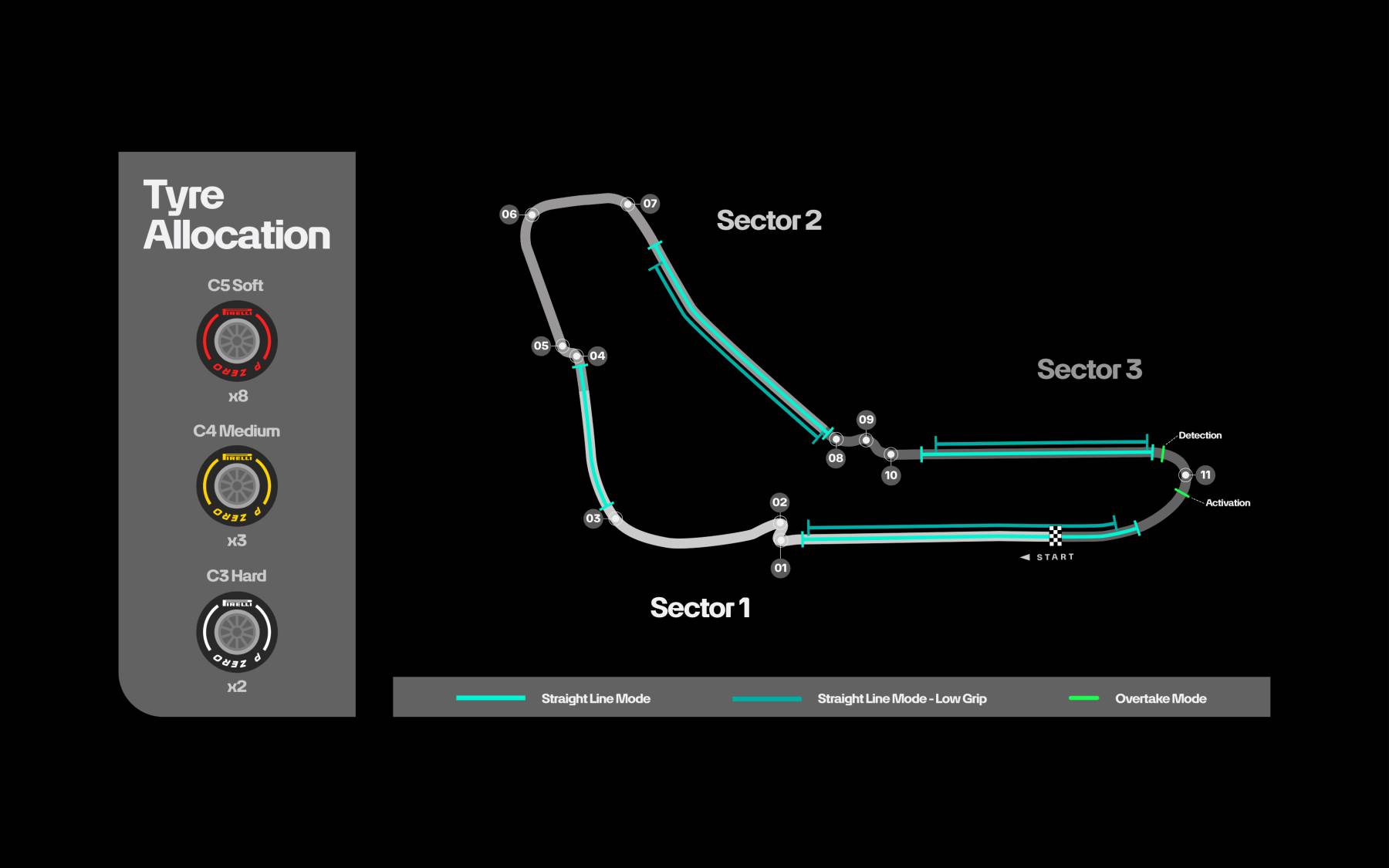
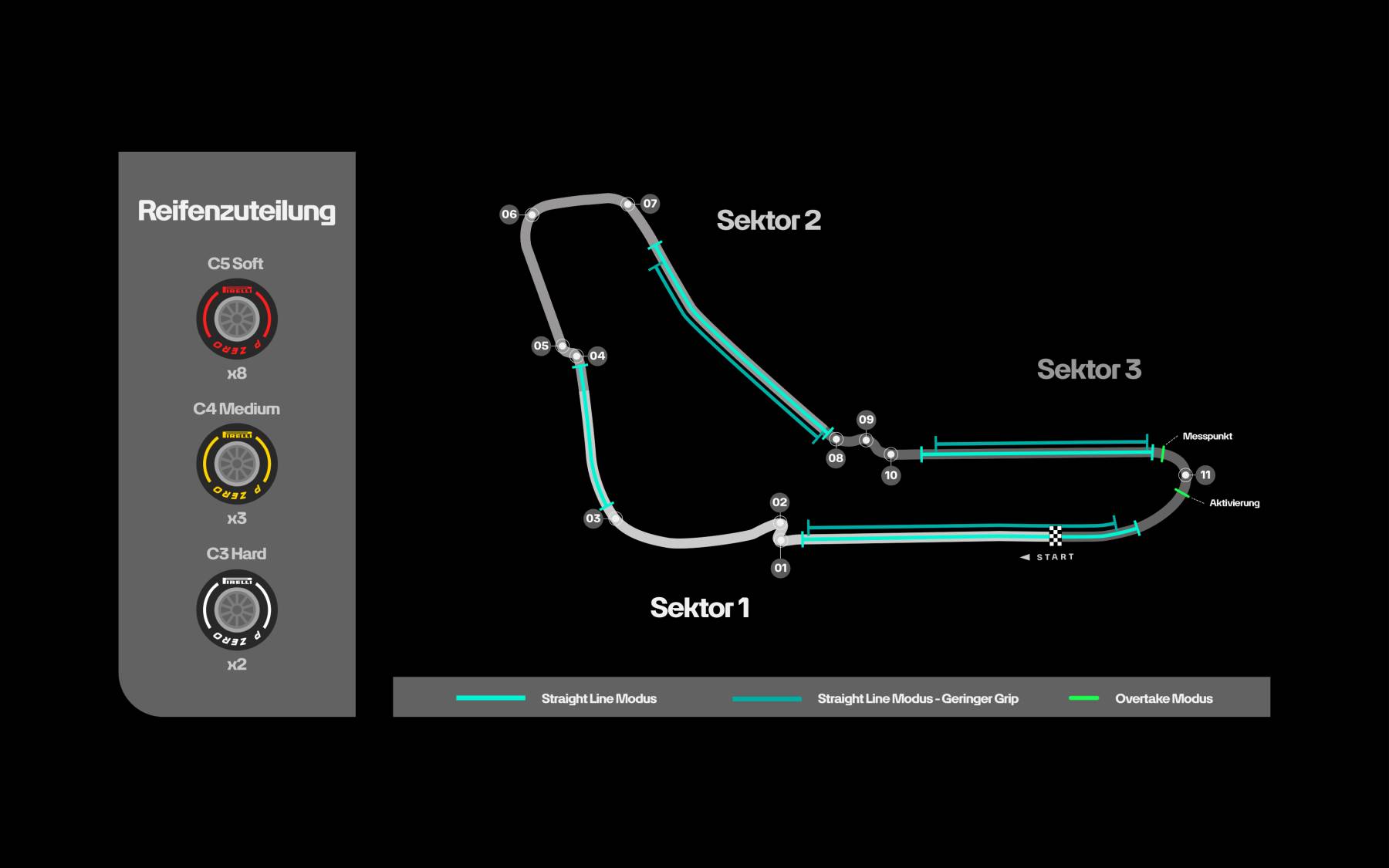
Monza offers only limited opportunities to recover energy. For much of the lap the power unit is worked to its maximum and there is barely a chance to put charge back into the battery. Under the current regulations, the team says, that leads to compromises which have to be managed carefully — an interesting challenge that it expects to produce a tense weekend.
That sets Monza apart from circuits such as Zandvoort or Budapest, which offer considerably more recovery opportunities. Engineers and drivers alike will have to be extremely efficient with the energy available, and Mercedes suggests that could open the door to different strategic approaches across the weekend.
Low drag and the slipstream effect
As always at Monza, teams will work hard to cut aerodynamic drag as far as possible to maximise top speed on the straights. The team expects a demanding weekend, not least because of Antonelli’s engine penalty, but points out that Monza is one of the best places on the calendar to move forward through the field: the slipstream creates overtaking opportunities, so chances to recover positions should come.
A circuit with more history than any other
The Italian Grand Prix is the only Grand Prix to have appeared on the calendar every single year since 1950, and no circuit in Formula 1 history has hosted more Grands Prix than Monza. The team describes driving there as something close to time travel, connecting today’s Formula 1 with the generations of drivers and teams that have raced at the venue.
Because of the high-speed layout, the Italian Grand Prix is often one of the shortest races of the year: run without interruptions, it usually takes around one hour and 15 minutes from lights to flag. It can also be one of the hottest, with an average temperature of 28.2 °C (82.8 °F) and a maximum of 31.3 °C (88.3 °F).
What the record book says
Mercedes has taken seven wins at the Italian Grand Prix: two with Juan Manuel Fangio in 1954 and 1955, four with Lewis Hamilton and one with Nico Rosberg. The 2021 edition included a Formula 1 sprint race at Monza, won by Valtteri Bottas.
Both of the team’s current drivers have won at the circuit in junior categories. Russell took victory at Monza in GP3 in 2017 and in Formula 2 in 2018, while Antonelli won there in Italian F4 in 2022 and in FRECA in 2023.
Facts: Mercedes at the 2026 Italian Grand Prix
- Venue: Monza, Italy
- Drivers: George Russell, Kimi Antonelli
- Grid: Antonelli starts from the back after a new power unit
- Typical race duration without interruptions: about 1 hour 15 minutes
- Track temperature reference: 28.2 °C (82.8 °F) average, 31.3 °C (88.3 °F) maximum
- Mercedes wins at the Italian Grand Prix: seven
- Key technical theme: limited energy recovery, low-drag set-up
After Monza, the calendar takes the team on to Madrid.
Source: media.mercedes-benz.com